
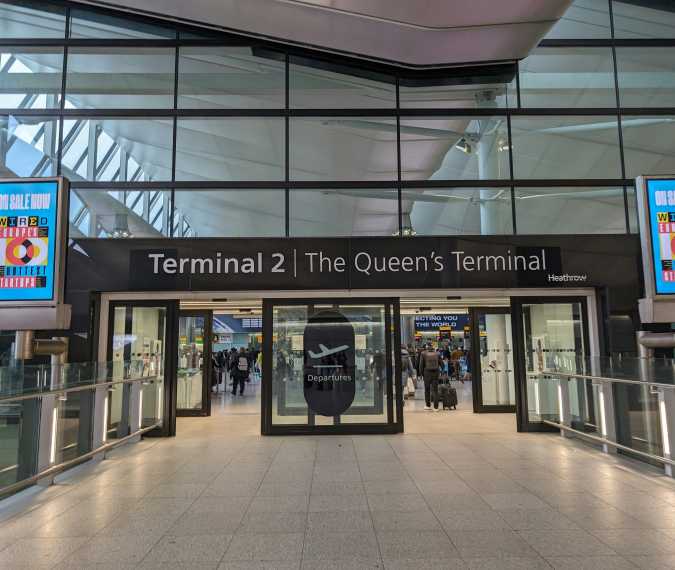
London airports cancel 1,000 flights in May as summer of travel chaos begins
Travelers planning summer getaways from the UK could face disruption after airlines removed thousands of flights from their schedules for May, as airlines respond to rising operating costs and ongoing tensions in the Middle East.
Recent aviation industry data shows that nearly 1,500 flights departing from major UK airports have been canceled this month, impacting more than 275,000 passenger seats. The figures come from aviation analytics firm Cirium, which compared airline schedules published earlier in April with updated timetables later in the month.
Globally, airlines have reportedly canceled around 13,000 flights from May schedules as they attempt to manage soaring fuel costs during one of the busiest travel periods of the year.
Among UK airports, Heathrow Airport recorded the highest number of cancellations, with more than 800 flights removed from its schedule. Gatwick Airport, Birmingham Airport, Manchester Airport, and several other major airports have also seen notable reductions in services.
According to the data, Heathrow alone accounted for over 150,000 affected seats, while Gatwick saw more than 50,000. In total, more than 400 flight routes from Britain’s largest airports have experienced schedule changes.
Despite the large headline numbers, aviation officials stressed that the overall level of disruption remains relatively small compared with the total number of flights operating this summer. Airlines have added replacement services on some routes, significantly reducing the net effect of cancellations.
Industry representatives have also rejected claims that flights are being canceled because of fuel shortages in the UK. Tim Alderslade, head of Airlines UK, said carriers continue to operate normally and that fuel supplies remain stable. He explained that many schedule adjustments are linked to broader geopolitical pressures and operational changes stemming from conflict in the Middle East.
A spokesperson for Heathrow noted that, as Europe’s busiest airport, it naturally experiences more cancellations due to the scale of its daily operations. However, they said the airport continues to maintain strong punctuality levels, and many airlines have shifted aircraft to alternative destinations rather than cutting services entirely.
Meanwhile, travel experts are encouraging passengers not to panic. Rory Boland from consumer group Which? Travel advised holidaymakers to consider booking package holidays for additional financial protection in case travel disruption worsens later in the summer.
Outside the UK, some of Europe’s busiest aviation hubs have also experienced major schedule reductions. Istanbul Airport and Munich Airport have both reported declines in passenger traffic, while several European airlines have trimmed summer schedules.
The rising cost of aviation fuel continues to place heavy pressure on airlines worldwide. Since the escalation of the conflict earlier this year, fuel prices have climbed sharply, forcing carriers to review routes and consolidate less profitable flights.
The UK government has responded by temporarily easing airport slot regulations, allowing airlines greater flexibility to combine underbooked services without losing future operating rights at congested airports.
Despite concerns surrounding cancellations, travel industry leaders say most UK summer holiday routes are still operating as planned, and passengers are expected to continue traveling in large numbers throughout the season.

